


Welcome to
Designed for Power and Ranching
A long-term neighbor on a working Bastrop County ranch.
Cedar Creek – Project Longhorn is a planned data center and on-site power facility in Bastrop County developed by The BlackChamber Group and Pacifico Energy. The site plan keeps most of the ranch in agricultural use, maintains natural buffers between the campus and neighboring properties, and includes measures to protect Cedar Creek and nearby waterways.
Project Longhorn is designed to generate its own electricity and operate independently of the Texas grid. The project will generate significant property tax revenue for local schools, county services and emergency services, and the project is proceeding without any local tax abatements.
Quick Facts


Long-term investment
A multi-billion-dollar private investment that adds to Bastrop County’s tax base.

No tax abatements
Privately funded. The project will pay its property taxes in full.

Independent off the grid
Powered by its own on-site natural gas generation operating independently of the Texas grid. Zero impact to ratepayers.

Minimal water use
Closed-loop and air cooling. Potable water use at full buildout is less than what 23 homes use.

2,200+ acres left untouched
About 600 of roughly 2,840 acres will be developed. The rest stays in ranching, buffers and conservation.

Leading emission controls
Best Available Control Technology (BACT) designed to drive down NOx and CO concentrations to levels well below typical power plants in the area.

Local jobs and contracts
Creating construction, service, and permanent operations jobs for Bastrop County.
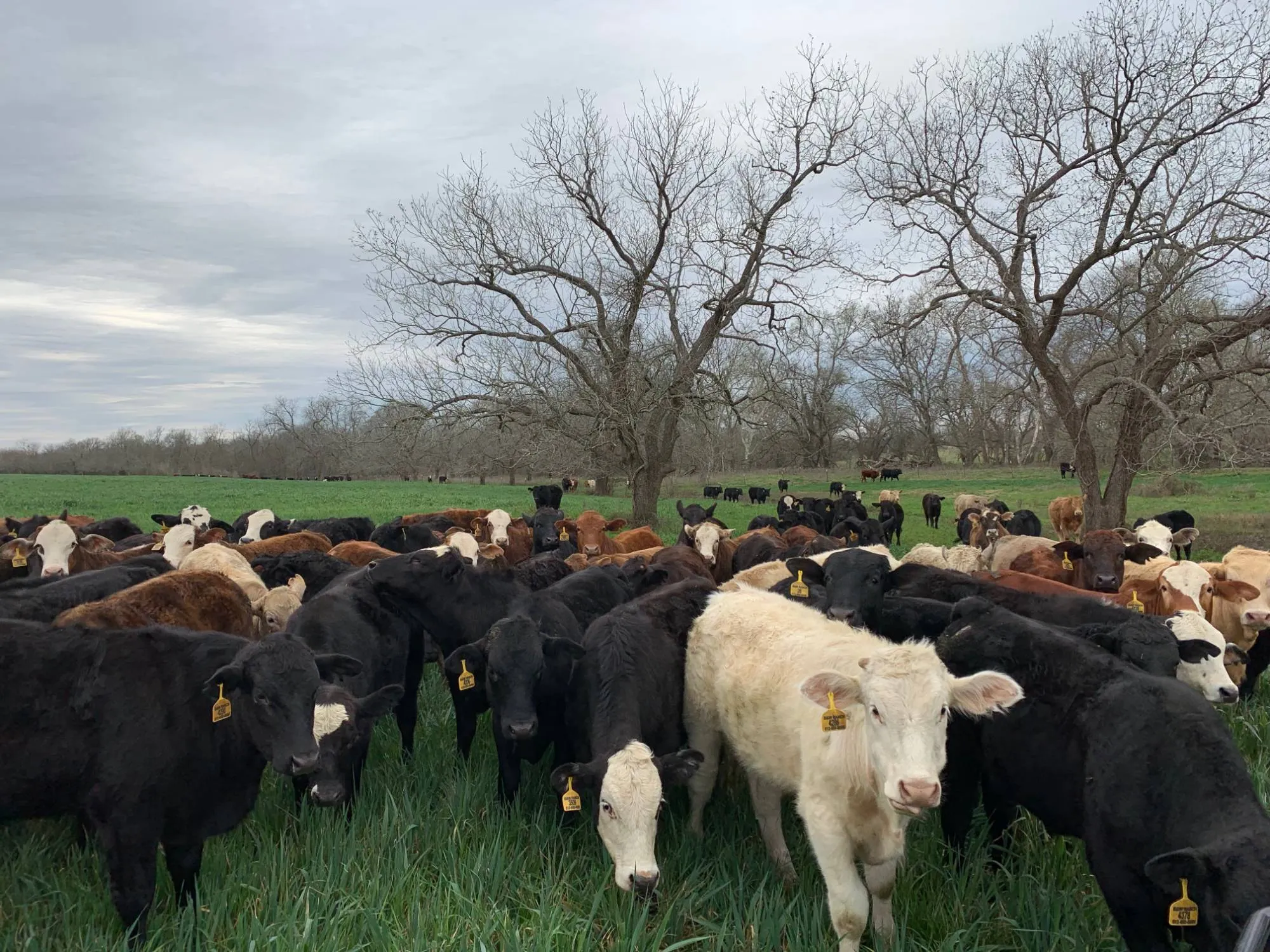
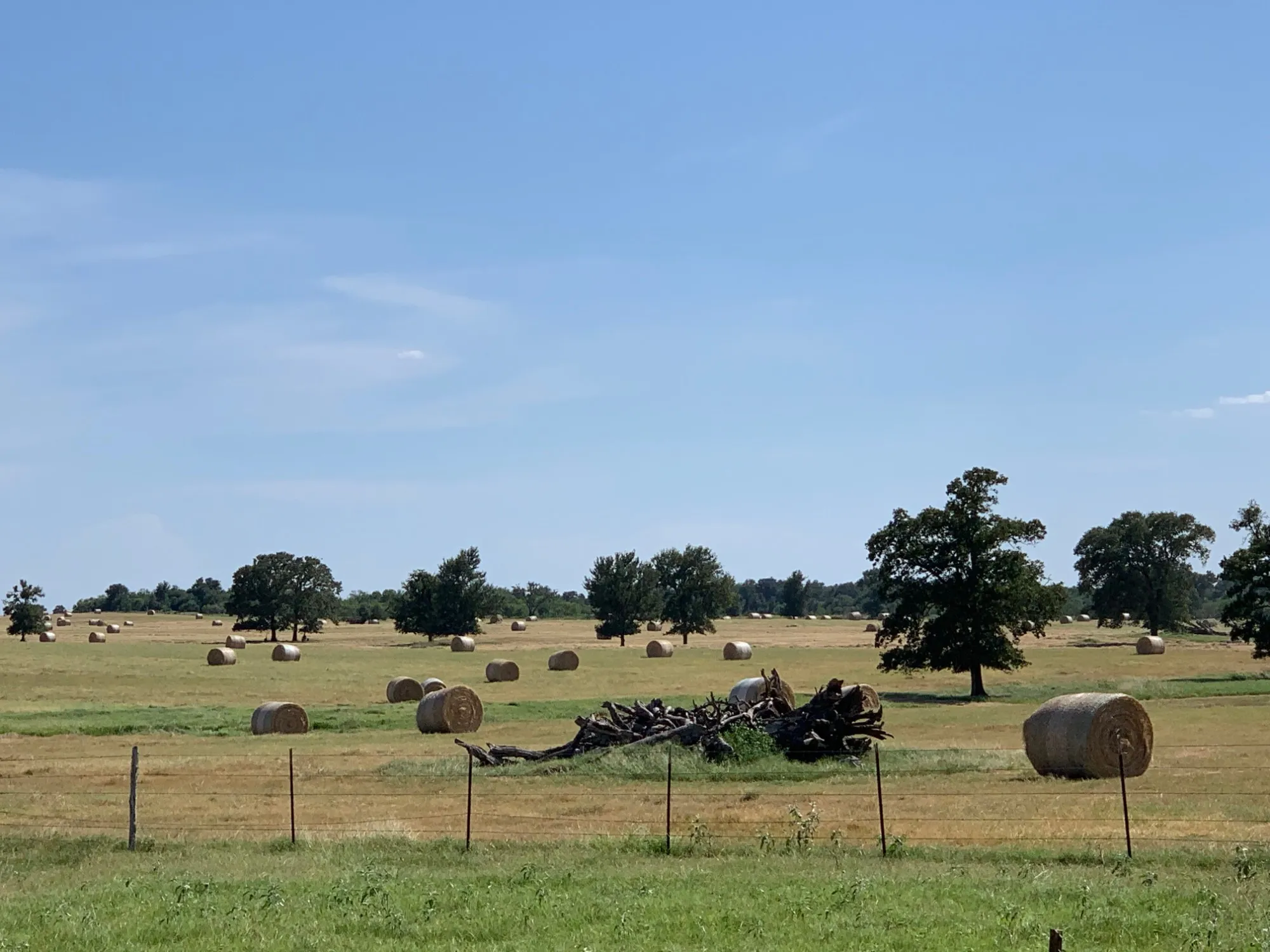
Keeping the Ranch in Use.
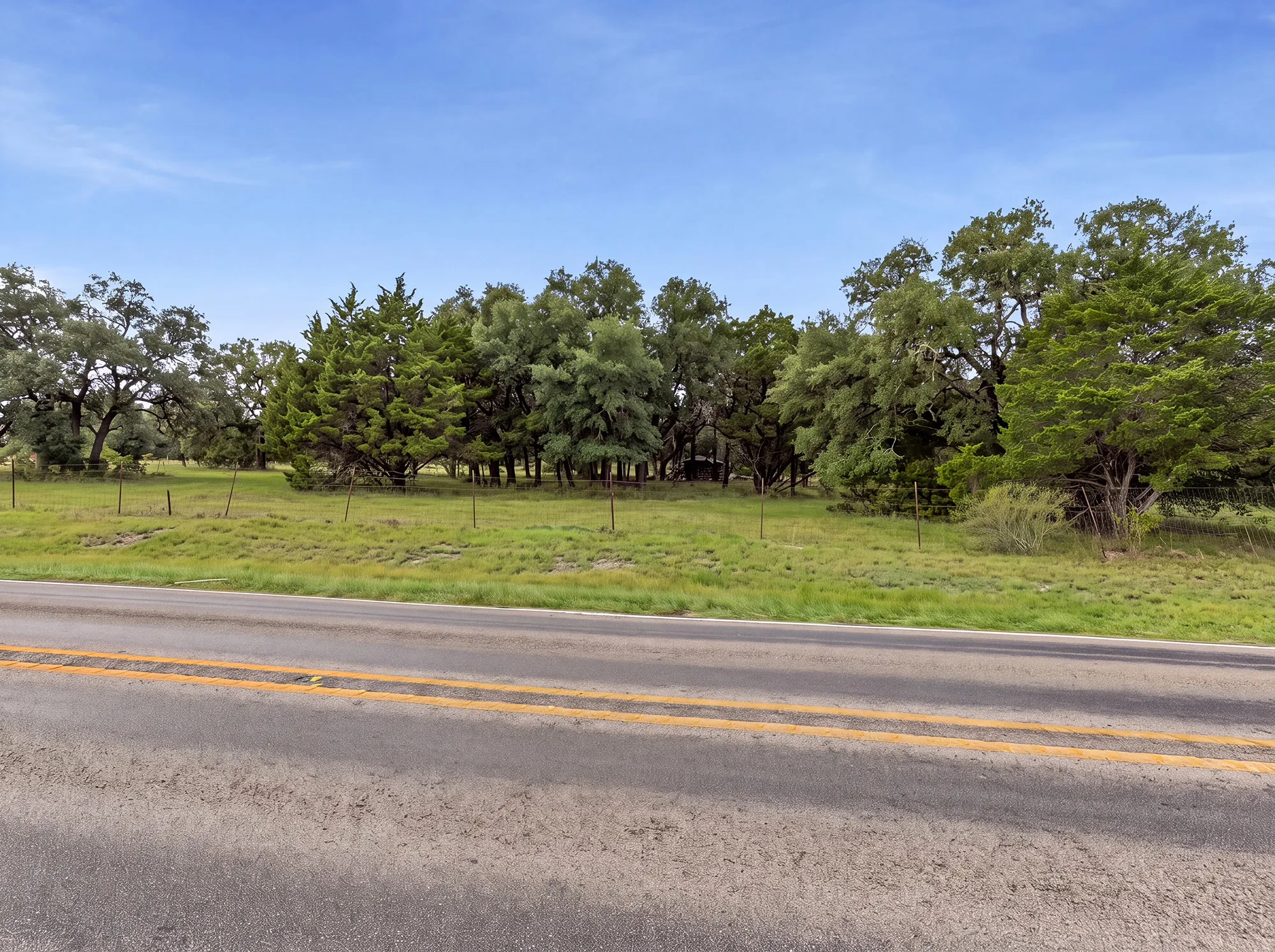
Continued ranching is part of the plan for Project Longhorn. The data center and power generation is planned for approximately 600 acres near the center of the property, leaving more than 2,200 acres outside the development footprint. The goal is to keep most of the property in agricultural use and continue caring for the land as a working ranch.
The layout of the project leaves room for setbacks between project facilities and neighboring properties. The site plan also includes berms, fencing, and landscaping to provide screening, along with measures to protect Cedar Creek and nearby waterways.
More than 1,000 acres on the northern part of the property, along Cedar Creek, will be set aside permanently for agricultural and conservation use.
How the Land Is Used
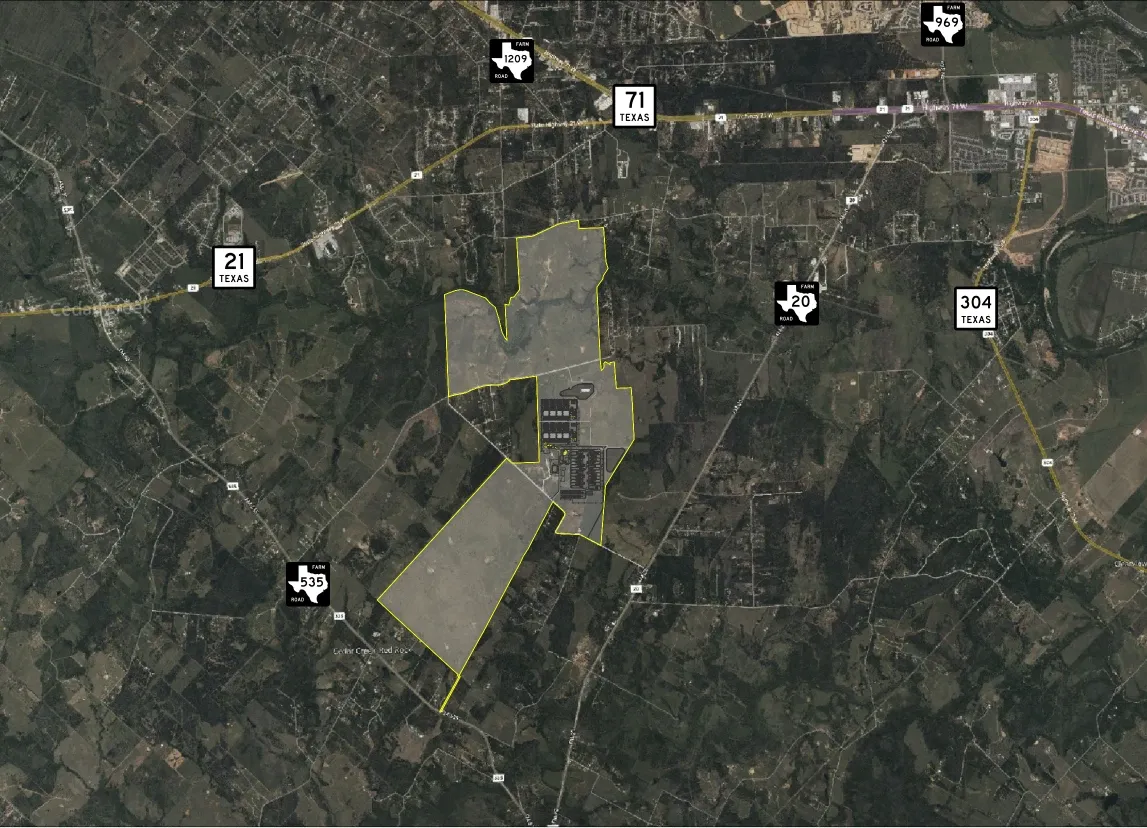
Loading map…
- Property line
- Planned campus: data center and on-site power
- Northern conservation area
- Photo viewpoint
- Total property: about 2,840 acres
- Campus development footprint: about 600 acres, near the center of the property
- Outside the footprint: more than 2,200 acres of ranchland, conservation, setbacks, berms and screening
- Northern conservation area: more than 1,000 acres along Cedar Creek
- Community-use parcel: about 13 acres
Benefits to Bastrop
Property Tax Revenue
Cedar Creek – Project Longhorn will pay its property taxes in full, without tax abatements.
Based on conservative initial property valuations, this project will inject over tens of millions annually directly into Bastrop County and Bastrop ISD, and significantly increase the budget of the local emergency services (ESD 1). This substantial tax basis will provide the revenue needed to fund schools, increase teacher pay, equip our first responders, expand county services, and provide the opportunity for Bastrop County to lower residential property tax rates for everyday homeowners.

Community Partnerships
The Cedar Creek – Project Longhorn team is forming a partnership with a local nonprofit, which we plan to announce in the coming weeks. The goal of the partnership is to work with Bastrop County and residents to maximize the project’s positive impact on the community.
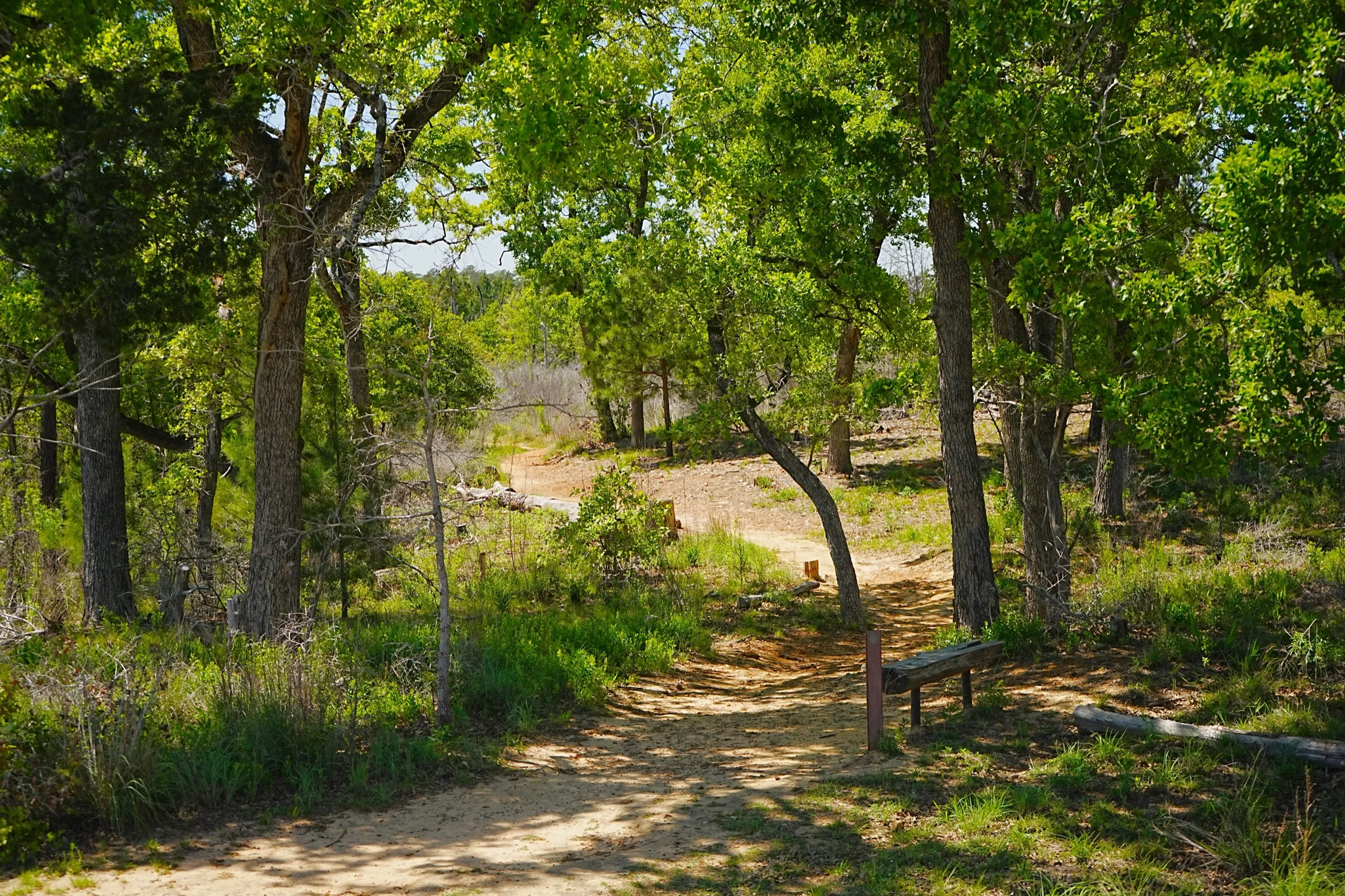
About 13 acres of the property have been set aside for community use. Early conversations with county representatives have included ideas such as an EMS station, a community center and a sheriff’s satellite office. No plans are final. The project team wants to hear from residents and local organizations about what would be most useful before plans take shape.
What has been set aside?
About 13 acres of the property.
Where does planning stand?
Early. Ideas have been discussed with county representatives; nothing has been decided.
How will community input be used?
It will guide plans for the 13 acres, which we will shape with the county and our nonprofit partner.
Work With Us
Building Cedar Creek – Project Longhorn will employ skilled trades, and the campus will create long-term technical and operations jobs. The project team wants Bastrop County residents and businesses to be first in line for these opportunities.
Responsible Development Practices
Water Use
Cedar Creek – Project Longhorn was designed to use very little water from the start.
Cooling
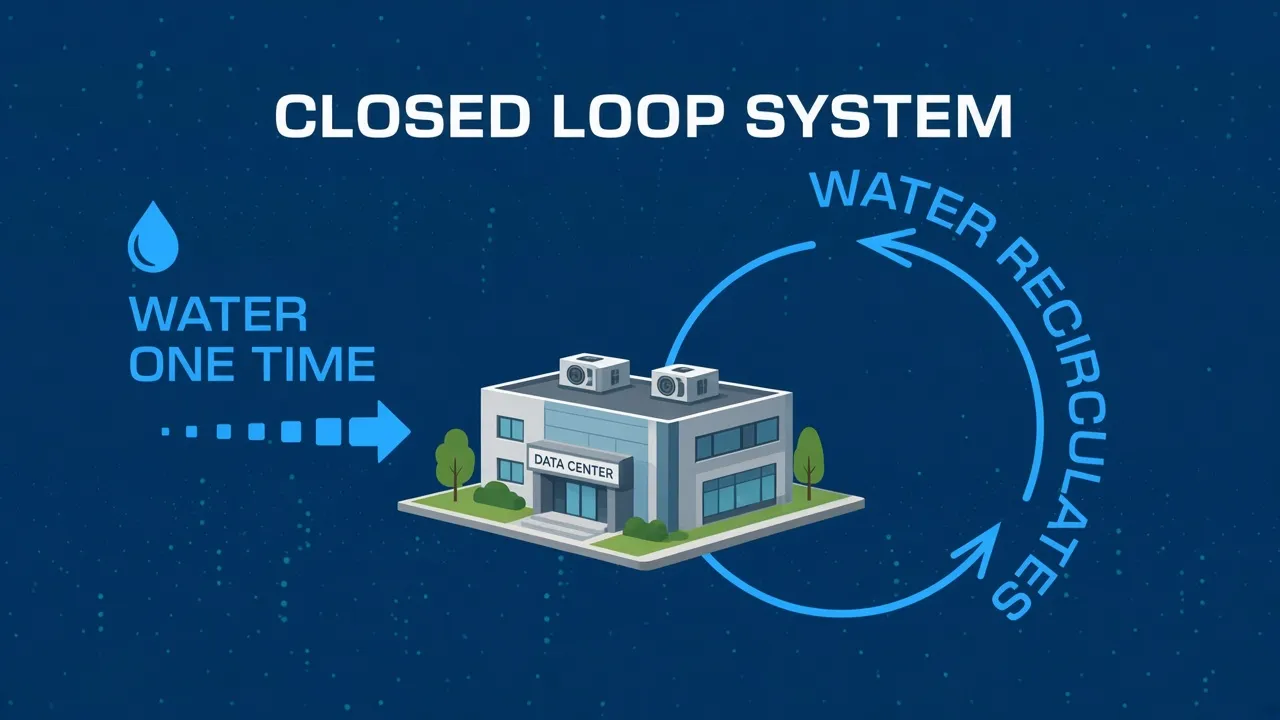
The data center uses a closed-loop system: the water is sealed inside and recirculated, much like a car’s radiator, rather than evaporated. After the initial fill it needs only occasional top-ups. The power facility is air-cooled and does not use water for cooling.
Everyday Use
The campus’s regular water service from Aqua Water Supply Corporation (Aqua WSC) will be for restrooms, breakrooms and other basic staff needs. At full buildout that will be less than what 23 homes use.
Groundwater
The project will not drill wells for cooling water, instead well water will be utilized for emergency firewater protection and limited process uses. Total annual water will be less than 5 million gallons.
Fire Protection and Construction
Water stored on-site for fire protection is filled once and topped up after periodic testing and evaporative losses. Construction water for dust control and concrete is temporary and will come from permitted on-site wells.
New Service for Neighbors
The project is paying to extend Aqua WSC’s water line about 13,000 feet, which will make Aqua WSC service more readily available to other nearby residents.
Air Quality and Emission Controls
The power facility will use natural gas turbines with Best Available Control Technology (BACT), including selective catalytic reduction (SCR), which removes nitrogen oxides (NOx); and oxidation catalysts, which reduce carbon monoxide (CO). These controls are designed to meet the BACT requirements TCEQ applies to new sources.
By design, the facility’s NOx and CO exhaust concentrations will be lower than those of the other power plants in the area. See the comparison in the FAQs.
Sound
To ensure we remain a quiet neighbor, the power facility is located over 500 feet from the nearest property line and over 1,500 feet from the nearest home. With these setbacks, operational noise at the property line will dissipate to the equivalent of a residential air conditioning unit.
Stormwater and Roads
Our stormwater management plan features two large detention ponds sized to the stringent NOAA Atlas 14 standard, ensuring there is zero increase in runoff and no adverse impacts to Long Branch or Cedar Creek. We are also coordinating with Bastrop County and TxDOT to fund roadway improvements—including turn lanes, road straightening, and widening along FM 20, Earl Callahan Road, and Walter Hoffman Road.
Ongoing Community Engagement
Transparency and open communication are fundamental to our approach. We are actively exploring partnerships with local nonprofits to establish a community advisory committee. Our aim is to hear a range of perspectives, understand local priorities, and support efforts that are meaningful to residents.
Frequently Asked Questions
What will the project use water for?
Day to day, Cedar Creek – Project Longhorn uses water for two entirely separate purposes, engineered to minimize the footprint on local resources:
Cooling Water: The data center utilizes an advanced closed-loop cooling system. Similar to a car’s radiator, the system is sealed: it is filled once, circulates continuously and needs only occasional top-ups. It does not evaporate water or require a constant draw from local supplies.
Potable Water: We are utilizing Aqua WSC exclusively for basic domestic needs for our staff, such as restrooms and breakrooms.
Water for fire protection, limited process uses and construction is covered under Will the project use groundwater?
Will the project use groundwater?
Yes, in limited amounts, and not for cooling. The project will not drill wells for cooling water: the data center’s cooling system is sealed and reuses its water, and the power facility is air-cooled. On-site wells will supply emergency fire protection, limited process uses and temporary construction needs such as dust control and concrete. Total annual water will be less than 5 million gallons.
For basic domestic and staff needs, the campus relies on Aqua WSC. At full buildout, this domestic usage will require less than 7,000 gallons per day—equivalent to the usage of roughly 23 households. (For perspective, prior proposals for this land included a 3,000-home subdivision, which would have required over 900,000 gallons per day).
Will this be a field of diesel generators?
No. The power facility runs on natural gas, and every turbine has exhaust controls that significantly reduce NOx and CO levels. The data center does not use a diesel backup fleet. Each data center building will have emergency generators that serve life-safety systems only, such as emergency lighting and fire protection, as required by code. They run only in an emergency and for routine testing.
Will the whole property be paved over?
No. About 600 acres in the center of the roughly 2,840-acre property will be developed. The rest stays open as a natural buffer, and parts of it may be leased for grazing to maintain Bastrop's ranching heritage. We are also exploring placing over 1,000 acres into a permanent conservation district.
Will it drain our local water?
No. The data center uses highly efficient closed-loop cooling, and the power plant is air-cooled. Our daily draw from Aqua WSC is strictly for employee restrooms and breakrooms, which equates to the usage of roughly 23 homes.
Are taxpayers subsidizing this project?
No. The project formally withdrew its Chapter 312 and JETI tax abatement applications. We are not seeking local incentives and will pay our property taxes in full.
Has the project been stopped?
No. TCEQ has temporarily paused issuing air and water authorizations for data center projects while ERCOT completes a statewide review. Our minor source air permit application remains active and pending at TCEQ (Registration No. 185019). In the meantime, preliminary sitework, design, engineering studies, and community engagement are continuing.
What impact will the project have on air emissions?
Cedar Creek – Project Longhorn is designed to have the lowest concentrations of nitrogen oxides (NOx) and carbon monoxide (CO) in its turbine exhaust among nearby power facilities. The normal operation figures below compare them. A lower ppm means a lower concentration of that pollutant.
| Facility | NOx ppm | CO ppm | Status |
|---|---|---|---|
| Pacifico Cedar Creek | 2 to 2.5 | 2 to 4 | Application design values |
| Lost Pines 1 | 5 | 10 to 25 | Existing permit values |
| Bastrop Energy Center | 9 | 20 | Existing permit values |
| MPH Bastrop Peakers | 9 | 20 | Proposed permit values |
Is it safe to build this near schools and residential areas?
Natural gas generation has operated safely in this area for decades. In fact, Bastrop County already hosts several power facilities near schools and neighborhoods. The table below shows how Pacifico Cedar Creek's proximity to neighbors compares to existing, safe operations—with the added benefit that Pacifico will operate independently of the ERCOT grid.
| Plant or campus | Nearby school example | Residential area example |
|---|---|---|
| Pacifico Cedar Creek | Earth Native Wilderness School | Woodview Lane area |
| Sim Gideon and Lost Pines 1 | Mina Elementary | Circle D KC Estates |
| Bastrop Energy Center | Cedar Creek High School | Thousand Oaks Drive area |
| Sand Hill | Del Valle Opportunity Center | Stoney Ridge area |
Why does your air permit application list 1.3 GW if your contracted load is only 774 MW?
The approximately 1.3 GW equipment rating, the 774 MW campus demand, and annual emissions describe different aspects of the project. Installed capacity supports reliability. Campus demand determines the electricity needed. Annual emissions reflect how the equipment actually operates within its authorization.
The higher permitted limit is built strictly for redundancy so the facility can stay online to serve the customer's full load during extreme Texas weather events or unexpected maintenance—without ever pulling from the ERCOT grid.
Why does your application use worst-case emissions estimates?
An air permit application must account for the operations being authorized. Our calculations apply conservative, worst-case cold-weather emission rates across the full set of annual operating hours assumed for each unit, even though those ambient conditions will not persist throughout the year.
Taking account of expected average electricity demand over the year and actual outdoor conditions, we expect annual emissions to be approximately 10–20% below the conservative application estimates. This is an operating forecast, not a reduction in the legal requirements. Compliance will be assessed against the authorized limits, regardless of whether actual emissions are below our forecast.
What will nearby neighbors hear?
Pacifico is committed to being a silent and safe neighbor. The power facility is located over 500 feet from the nearest property line and over 1,500 feet from the nearest home. The Earth Native Wilderness School is one to two miles away. Additionally, the facility is surrounded by a massive natural buffer designed to further mitigate any sound.
What will the project look like from nearby properties?
 Rendered Image
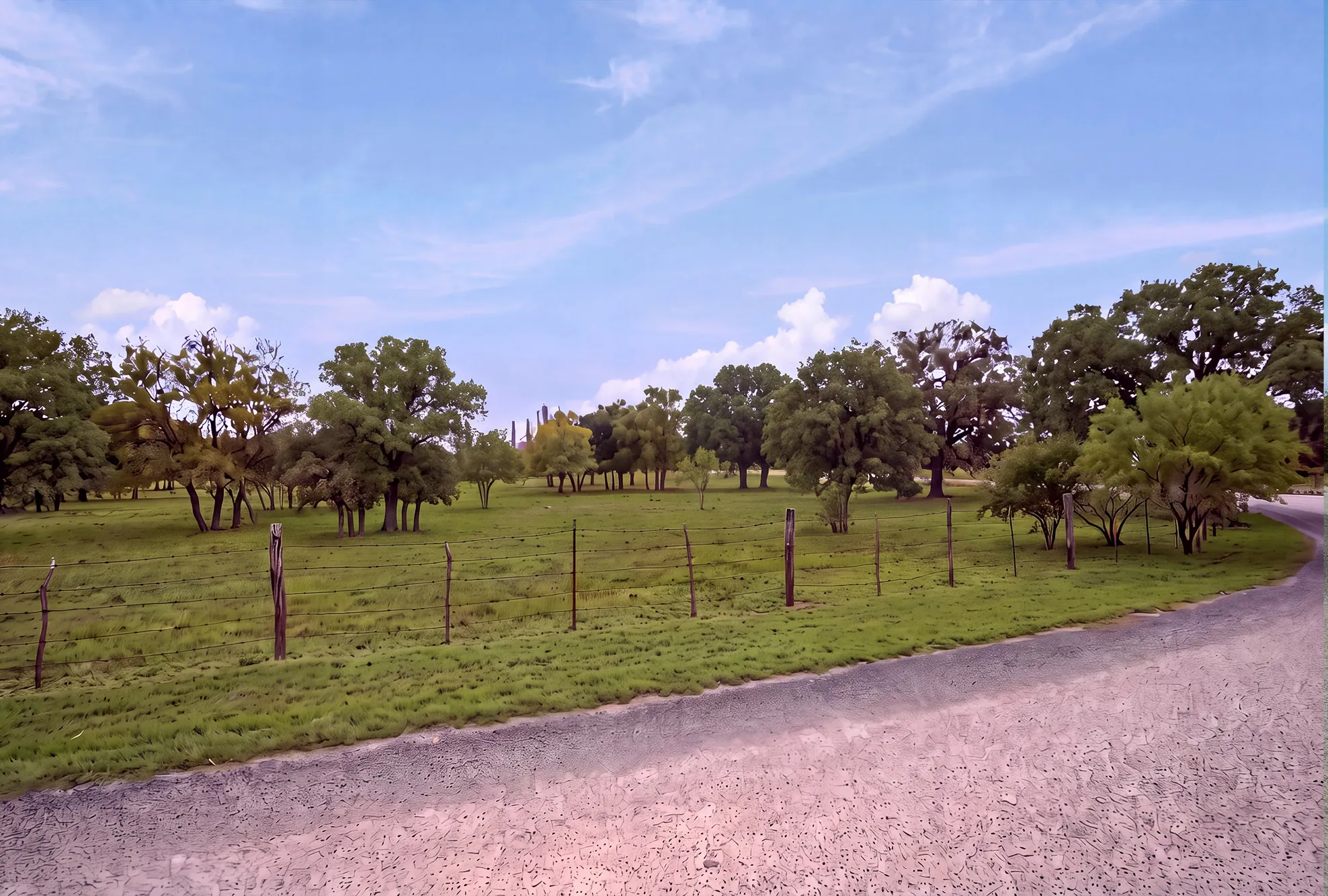
The campus is designed to be largely shielded from public view. Out of the approximately 2,840 total acres on the site, only about 600 acres are being developed. The remaining ~2,200 acres will act as a massive natural buffer featuring large setbacks, berms, fencing, and enhanced landscaping to preserve the visual character of the area. We are also exploring options to turn the northern portion of the site (which includes the 100-year floodplain) into a permanent, dedicated conservation district.
Will I be able to see or hear the campus from my property?
To minimize visual and sound impacts, the campus sits near the center of the property, surrounded by more than 2,200 acres of ranchland and buffers. Berms, fencing and landscaping will screen project facilities from neighboring properties. Outdoor lighting will be shielded and directed downward to limit glow beyond the site.
What should neighbors expect during construction?
Neighbors can expect proactive infrastructure management and environmental protection during the construction phase. Roadway improvements will be made to support construction traffic, and the project will fund the required repairs and upgrades for long-term use afterward. Environmentally, all planned grading and stormwater management are designed to keep all runoff strictly on-site, ensuring zero impact to the Cedar Creek watershed.
Will my property taxes go down?
Each taxing entity, including Bastrop County, Bastrop ISD and the emergency services district, sets its own tax rate each year. Cedar Creek – Project Longhorn adds to the local tax base, which gives those entities significantly more revenue to work with, but decisions about rates belong to them.
Who is Pacifico?
Pacifico Energy is an energy infrastructure firm that specializes in developing dedicated, utility-grade power systems. They partner with digital infrastructure operators to design, finance, build, and operate private-grid and "behind-the-meter" power solutions. By integrating on-site natural gas generation, solar, and battery storage, Pacifico Energy provides highly reliable power without stressing regional electricity grids or impacting local ratepayers. They are the developer of the on-site power generation facility for Cedar Creek – Project Longhorn.
Who is BlackChamber?
The BlackChamber Group is an alternative asset manager and private equity firm specializing in the development of digital infrastructure. Founded in 2019, the firm focuses on developing purpose-built, single-tenant data centers designed specifically to support technology companies and advanced computing workloads. The BlackChamber Group manages the data center development portion of Cedar Creek – Project Longhorn.
Have Questions?
We welcome continued conversation about the project’s design, environmental safeguards, and community investments.